 Vi
Vi 
A nine-year-old girl in Ho Chi Minh City was admitted to FV Hospital’s emergency department with severe abdominal pain. Examinations revealed a rare and serious condition. Her gastrointestinal tract was completely obstructed by a large hairball nearly one metre long, tightly coiled from the stomach down into the small intestine. This mass caused both intestinal obstruction and volvulus, creating a life-threatening situation. To avoid open surgery and minimise risk, doctors successfully combined two endoscopic techniques to remove the obstruction and ensure the child’s safety.
Years of Hair Eating: A Rare Condition That Nearly Cost a Nine-Year-Old Her Life
H., a nine-year-old girl from Ho Chi Minh City, was brought to FV Hospital by her family after several days of abdominal pain, persistent vomiting, weight loss, and pallor. At first glance, the symptoms could have been mistaken for a common digestive disorder. However, detailed examinations and a multidisciplinary consultation involving specialists from General Surgery, Gastroenterology, and Imaging revealed a far more serious underlying cause.
A hairball nearly one metre long, tightly braided like a rope, was found extending from the stomach into the small intestine, causing a complete intestinal obstruction.
“During the examination, we noticed that the child’s hair was unusually brittle and standing upright, which prompted us to take a more detailed medical history. Only then did the mother reveal that the child had developed a habit of pulling out and eating her hair since the age of two or three. The family had not paid much attention to it, assuming it was harmless,” said Dr Le Duc Tuan, General Surgery Department at FV Hospital.
Hair cannot be digested. Over time, it accumulates and hardens into a mass that blocks the stomach outlet and can lead to complete intestinal obstruction. This is a complication of trichophagia, a condition that often progresses silently over many years.

CT scan images confirmed the presence of the hairball and intestinal obstruction in the patient.
“During the clinical examination, we noticed that the child’s hair appeared unusually brittle and stood upright, which prompted us to take a more detailed medical history. The mother then shared that the child had developed a habit of pulling out and putting her hair into her mouth from the age of two to three. Over the past six to seven years, the family had not paid attention to this habit, believing it to be harmless,” Dr Tuan said.
The doctors explained that hair cannot be digested. Over time, ingested hair accumulates into a dense, hardened mass, tightly braided like a rope, blocking the stomach outlet and causing complete intestinal obstruction.
A complex three-hour surgery to remove the hairball
FV Hospital doctors assessed this as a rare and highly complex case due to the size of the hairball, which was tightly coiled and extended through multiple segments of the intestine. If not managed properly, the risk of bowel necrosis and life-threatening complications would have been extremely high.
The greatest challenge was choosing the appropriate intervention. An extensive open surgery would have caused significant trauma, increased the risk of infection, and prolonged the child’s recovery time. After a multidisciplinary consultation, the medical team decided to combine upper gastrointestinal endoscopy with laparoscopic abdominal surgery to minimise invasiveness.
Laparoscopic surgery allowed surgeons to access the obstructed segment of the intestine, while gastrointestinal endoscopy helped identify the exact location of the hairball and assisted with its removal from the gastric side. This combined minimally invasive approach spared the child from open surgery and supported a faster recovery after treatment.
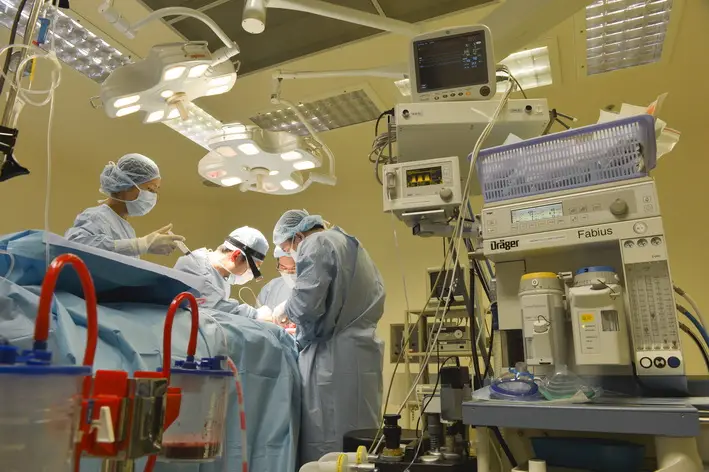
Dr Tuan and his surgical team performing the operation on the patient.
The close coordination between the two medical teams helped minimise the risk of intestinal injury. After approximately three hours, the hairball was safely removed, fully resolving the intestinal obstruction.
Following surgery, H. experienced rapid pain relief, resumed normal eating, and was discharged after five days. At recent follow-up visits, she has shown healthy weight gain and a marked improvement in both her physical condition and overall well-being.
Doctor’s warning: Do not underestimate seemingly harmless repetitive behaviours in children
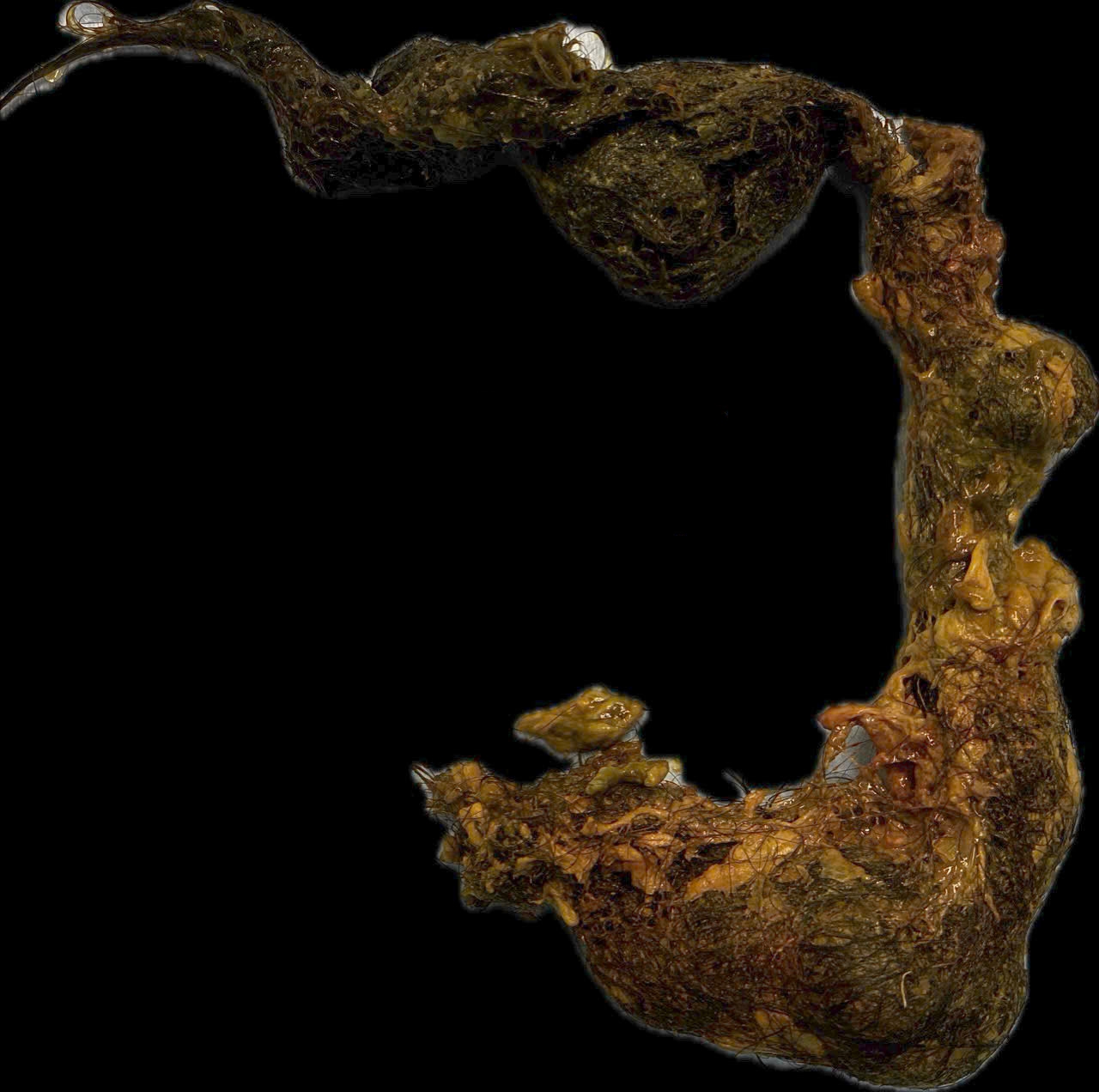
A large, dense hair mass hardened into a solid mould inside the abdomen, causing intestinal obstruction in the nine-year-old patient.
According to Dr Tuan, trichophagia is often associated with mild psychological disorders, habits formed in early childhood, or conditions linked to stress and anxiety. For this reason, a child’s behaviour of pulling out and putting hair into the mouth should not be dismissed as “normal mischief.”
“If not detected early, this behaviour can lead to very serious consequences, even becoming life-threatening. In many cases, psychological support is also necessary to prevent recurrence,” he emphasised.
In H.’s case, the FV Hospital team provided thorough guidance before discharge. The family was advised to closely observe the child, spend more time communicating with her, and seek psychological consultation if the behaviour recurs.
For more information about conditions related to gastrointestinal foreign bodies, readers may contact FV Hospital at 06 Nguyen Luong Bang Street, Tan My Ward (formerly District 7), Ho Chi Minh City, or call the hotline at (028) 3511 3333. FV Hospital accepts national health insurance, private health insurance, and offers 0 percent interest instalment payment options.